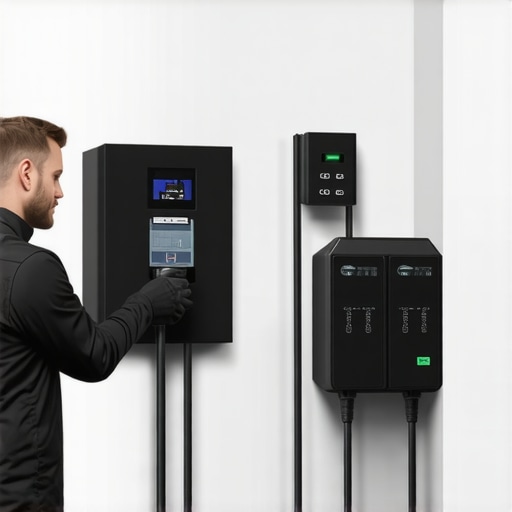

Panel Upgrades & Code Compliance: Ensure Safe EV Charging at Home Today
I’ll never forget the moment I plugged in my brand-new electric vehicle and watched the circuit breaker trip for the third time. Frustration boiling over, I realized I was risking more than just inconvenience—I could be compromising my home’s safety. It was a lightbulb moment that prompted me to dive deep into the world of panel upgrades and code compliance for EV chargers. If you’ve faced similar issues, you’re not alone. Today, we’re going to crack the code on ensuring your home setup is both safe and reliable, so you can charge your EV without worry.
Why Your Home Electrical Panel Might Be Holding You Back
Most homeowners underestimate the importance of a properly upgraded electrical panel when installing an EV charger. A panel that’s not rated for the increased load can lead to frequent trips, potential fire hazards, and even costly repairs. The good news? With the right upgrades, you can avoid these pitfalls and enjoy seamless charging. But how do you know if your panel is up to snuff? That’s what we’re here to explore.
Is the Buzz About Panel Upgrades Overhyped?
Early in my journey, I made the mistake of assuming my existing panel was sufficient. Turns out, I overlooked the importance of checking whether it met current code standards. This oversight nearly caused a dangerous overload. Trust me, it’s not just hype—upgrading your panel is a smart move. For a clear understanding of what it takes to stay compliant, check out this guide. Ensuring your setup meets local codes isn’t just about legality; it’s about safety and peace of mind.
Next, we’ll look at how to identify if your current panel needs an upgrade and what steps to take to make sure your home is ready for reliable, safe EV charging. Ready to get started? Let’s go.
Test Your Current Panel and Spot the Signs of Overload
Start by inspecting your existing electrical panel. Look for signs like frequent tripping, buzzing sounds, or a burning smell—these indicate your panel might be struggling with the added load of an EV charger. I remember a time when I noticed my breaker trip every time I plugged in during peak hours. Using a voltage tester, I checked the panel’s capacity and confirmed it was reaching its limit, signaling the need for an upgrade.
Determine Your Home’s Power Needs
Calculate your home’s total electrical load. Add up your current appliances and the EV charger’s wattage—most chargers require 40 to 80 amps. Think of your electrical system like a highway: if too many cars (appliances) are on it, traffic jams (overloads) happen. For example, my Chevy Bolt needs a 50-amp circuit. If your panel’s main breaker is less than this, an upgrade is essential.
Check Local Code Requirements
Visit this guide to verify your area’s specific codes. Compliance isn’t just about legality; it ensures safety and proper functioning. When I upgraded my panel, I ensured it met the latest standards, preventing future issues.
Plan Your Panel Upgrade
Decide whether a subpanel or main panel upgrade suits your needs. A subpanel is like adding an extra lane on your highway—it increases capacity without replacing the entire system. For my home, installing a subpanel dedicated to EV charging minimized disruption and kept my other circuits stable. Review this resource for detailed options.
Hire a Licensed Electrician
Work with a professional to design and execute your upgrade. An electrician will evaluate your load calculations, select the right panel, and ensure everything is up to code. I called a trusted local electrician, and within a day, my panel was upgraded safely and efficiently. Remember, improper work can lead to fire hazards and voided warranties.
Upgrade and Test
During installation, the electrician will replace your existing panel with a new one rated for your needs. Afterward, they’ll perform tests to verify proper wiring and circuit operation. When I tested my new setup, I used a multimeter to confirm voltage stability, ensuring my EV charger would operate reliably without tripping breakers.
Verify Code Compliance and Get Permits
Before finalizing, ensure all work complies with local codes. Your electrician should handle permits, but it’s good to double-check. This step is like getting a safety inspection before a road trip—crucial for peace of mind. I submitted my upgrade for inspection, which confirmed everything was up to standard.
Connect and Enjoy Reliable Charging
With your upgraded panel, connect your EV charger, and monitor the first few charges. If issues arise, revisit troubleshooting tips. My first full charge after the upgrade went smoothly, and I no longer worry about overloads or safety hazards.
Many homeowners believe that installing an EV charger is a straightforward upgrade, but the reality is far more nuanced. One of the most overlooked pitfalls is assuming that a basic panel upgrade or simple troubleshooting can be done without understanding the complexities of electrical code compliance and system capacity. Let’s explore some of the most common misconceptions and advanced mistakes that can lead to safety hazards or unreliable charging experiences.
Myth: All Panels Are Created Equal
One widespread misconception is that any existing electrical panel can handle an EV charger with just a minor upgrade. In truth, panels vary significantly in capacity and design. A panel not rated for the added load can cause frequent trips or, worse, fire hazards. It’s essential to perform a detailed load calculation and verify that your panel meets the latest code standards. Relying on a generic upgrade without proper assessment is a risky shortcut that can compromise safety and violate local regulations.
Common Trap: Ignoring the Nuances of Code Compliance
Many homeowners and even some electricians overlook the importance of thoroughly understanding local electrical codes. For example, the National Electrical Code (NEC) has specific requirements for dedicated circuits, wire gauge, and breaker ratings for EV chargers. Skipping this step can lead to non-compliant installations, which might not only cause safety issues but also invalidate insurance coverage. To avoid this, always verify your setup against current code requirements. This is a critical step that should never be underestimated.
Why Do Many Troubleshoot Incorrectly
One advanced mistake is misdiagnosing EV charger issues as simple connection problems, when in fact they stem from underlying wiring or panel inadequacies. For instance, frequent trips might be blamed on the charger, but often, the root cause is an overloaded circuit or incompatible wiring. Proper troubleshooting involves checking voltage stability, wiring integrity, and load capacity—something that requires specialized knowledge. For reliable operation, consult expert troubleshooting tips to avoid false assumptions that could lead to further damage.
Advanced Question: How Do You Balance Load for Future Expansion?
Smart homeowners are now considering future electric loads, such as additional EVs or home batteries. The key is designing a system with headroom—meaning your upgrade should not just meet current needs but also accommodate future demands. This requires sophisticated load calculations and possibly installing a dedicated subpanel with advanced capacity. For detailed guidance, see this resource. Planning ahead saves money and hassle later, and ensures your system remains safe and reliable as your needs grow.
Have you ever fallen into this trap? Let me know in the comments. Remember, a well-informed upgrade is the best safeguard for your home and your electric vehicle’s performance.
Ensuring your EV charging setup remains safe and efficient over time requires the right tools and a proactive maintenance routine. I personally rely on a combination of high-quality equipment and software to keep my system running smoothly, and I recommend the same for anyone serious about long-term reliability. Regularly inspecting your wiring, circuit breakers, and charger connections is fundamental. For this, a digital multimeter is indispensable—it’s the most accurate way to verify voltage stability and detect potential issues before they develop into bigger problems.
Beyond basic testing tools, I use a clamp meter to monitor current flow during charging sessions. This helps me ensure that the load remains within safe limits, especially when I plan to add more EVs or appliances in the future. A thermal imaging camera also comes in handy for spotting hotspots in the panel or wiring connections, preventing possible fire hazards. These tools, combined with a detailed load calculation, form the backbone of my maintenance routine.
On the software side, I recommend installing a smart monitoring system compatible with your charger. Many modern EV chargers come with apps that track power usage and alert you to anomalies. I use this feature to stay ahead of potential issues, like sudden drops in voltage or unexpected shutdowns. This proactive approach enables me to schedule repairs or upgrades before a minor glitch becomes a costly repair or safety concern.
How do I maintain my EV charging system over time?
Regular inspections are key. I schedule a professional checkup at least once a year, especially after heavy use or any electrical modifications in my home. During these inspections, I ask my electrician to verify wiring integrity, update any firmware on smart chargers, and confirm that all components meet current code standards. Additionally, keeping your panel clean and free of dust, moisture, and corrosion extends its lifespan and maintains electrical performance.
Looking ahead, I believe the trend is moving toward smarter, more integrated electrical systems that can self-diagnose issues and send alerts directly to your phone. Investing in such technology now can save you time and money, and improve safety. I encourage you to try out a comprehensive monitoring system and keep a regular maintenance schedule—it’s the best way to ensure your EV charger remains reliable for years to come. For detailed guidance on upgrading your panel for better performance, visit this resource.
Lessons from My Own Upgrade Journey That Changed Everything
- Never assume your existing panel is enough without a proper load calculation. Skipping this step can lead to dangerous overloads, as I learned the hard way when my breaker kept tripping during peak charging times.
- Code compliance isn’t just bureaucracy—it’s about safety. I once tried a DIY upgrade without verifying local standards, and it almost cost me a fire hazard. Now I always double-check with trusted resources like this guide.
- Choosing the right professional saves headaches. A licensed electrician didn’t just upgrade my panel but also helped me plan for future needs, like additional EVs or home batteries, which I hadn’t considered initially.
- Monitoring your system post-upgrade prevents surprises. I use a smart charger app and a multimeter regularly to catch issues early, ensuring my home remains safe and my EV charges reliably.
Tools and Resources That Made a Difference
- Multimeter: Essential for verifying voltage stability and wiring integrity. I trust it for quick, accurate checks before and after upgrades.
- Clamp Meter: Monitors current flow during charging, helping me stay within safe limits, especially as I add more appliances or EVs.
- Thermal Imaging Camera: Spot hotspots in wiring or the panel, preventing fire risks. It’s a game-changer for proactive safety checks.
- Smart Monitoring System: Many modern chargers offer apps that track power usage and alert you to anomalies, giving peace of mind and preventing damage.
The Power of Taking Action and Staying Informed
Your home’s electrical system is the backbone of reliable EV charging. By investing in the right panel upgrade, understanding code compliance, and using monitoring tools, you set yourself up for long-term safety and efficiency. Don’t wait for problems to emerge—be proactive. The future of EV charging is smart, safe, and seamless, and you can be part of it today. Ready to start your upgrade journey? Share your experiences or questions below—I’d love to hear what’s worked for you or what’s holding you back.
This article really hits home for me because I experienced the frustration of constant breaker trips when I first tried setting up my home EV charger. What I found most valuable was the emphasis on proper load calculations and the importance of code compliance—it’s easy to overlook these steps, especially if you’re eager to get your charger up and running. I had my electrician evaluate my panel, and it turned out I needed an upgrade to handle my new 50-amp charger safely. The proactive approach of testing with a multimeter and considering future expansion is something I wish more homeowners would prioritize. Has anyone here had experience with installing subpanels for EV charging, or do you recommend a main panel upgrade for better long-term reliability? I’d love to hear different perspectives on managing electrical loads efficiently, especially as more homes adopt electric vehicles and home batteries. Thanks for the insightful guide; it made me realize how critical proper planning and professional help are for safety.
Reading this post really resonated with me, especially the emphasis on understanding your home’s electrical capacity before proceeding with any EV charger installation. I used to think that a simple upgrade would suffice, but after a close call with frequent breaker trips, I realized how vital it is to do a thorough load assessment. I ended up installing a dedicated subpanel, which has made a huge difference in preventing overloads and trip issues. The key takeaway for me was working with a licensed electrician who truly understood the local code requirements and the importance of future-proofing the system. The part about monitoring tools and regular inspections also struck a chord—staying proactive can save you a lot of stress and potential hazards later. Has anyone else here found that adding a subpanel was more cost-effective or easier long-term than upgrading the main panel? I’d love to hear how others have managed their systems when planning for multiple EVs or additional electrical loads, especially in older homes where the existing wiring might be less robust.
This post really highlights a crucial aspect of EV charger installation that often gets overlooked: proper load assessment and code compliance. I remember initially thinking my existing panel was enough, only to experience frequent trips and a creeping worry about safety. After consulting with a licensed electrician, I decided to upgrade to a dedicated subpanel, which has made my charging much more reliable and peace of mind much higher. I think the key is understanding the future demands—like additional EVs or home batteries—and planning for headroom in the system. Have others found that planning for future expansion actually saves money and hassle in the long run? I’d love to hear your experiences, especially in older homes with less flexible wiring. This kind of knowledge sharing helps us all make smarter, safer decisions about our home upgrades.